From Mimeographs to Millions of Stories
Fandom did not begin online; it simply moved in early and redecorated. Science fiction readers organised the first World Science Fiction Convention in New York in 1939 and spent the following decades swapping amateur magazines by post. In 1967, Star Trek fans published Spockanalia, widely remembered as one of the first media fanzines, and fan fiction as we know it began to take shape on typewriters and copy machines.
The scholar Henry Jenkins gave the practice academic respect in Textual Poachers (1992), arguing that fans are active readers who rework the stories they love. The internet then removed the postage. FanFiction.Net opened in 1998; the volunteer-run Organization for Transformative Works was founded in 2007 and its Archive of Our Own entered open beta in 2009. In 2019, AO3 won the Hugo Award for Best Related Work, and thousands of writers cheerfully added "Hugo winner" to their bios.
Cosplay: Wearing the Story
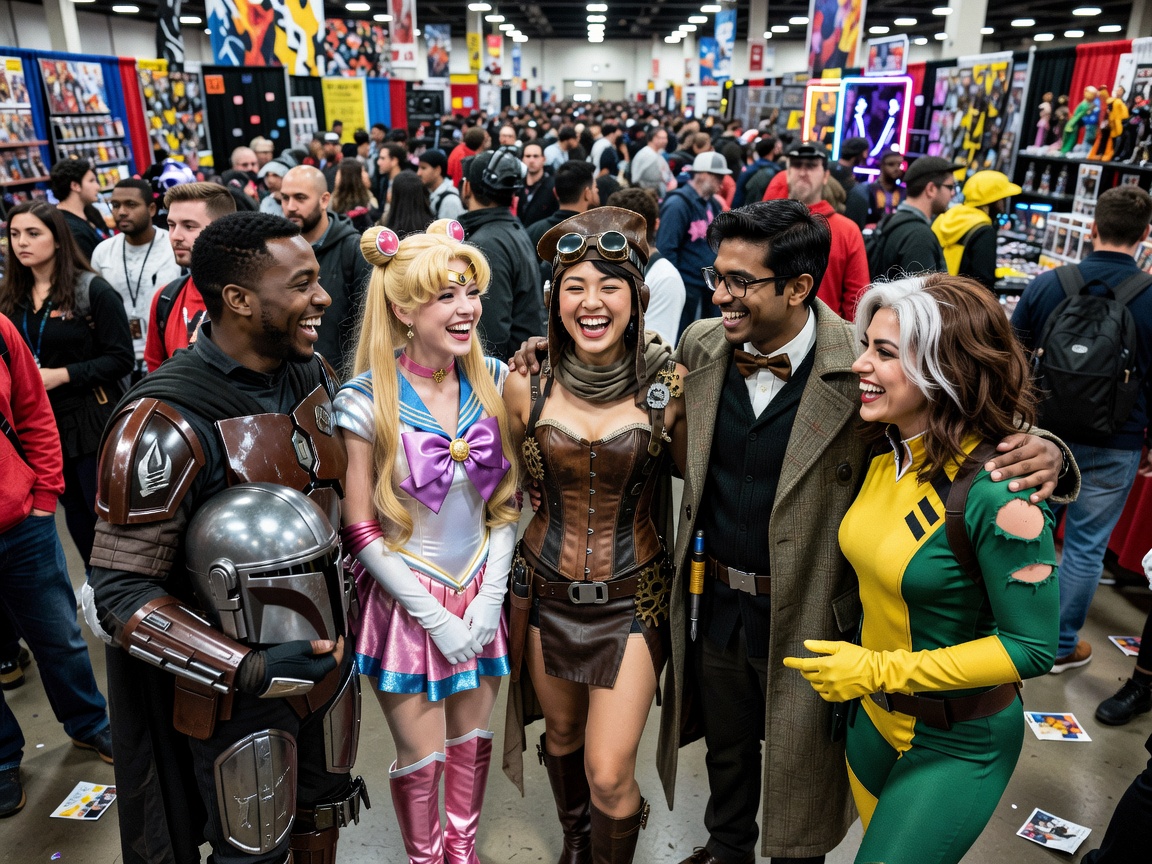
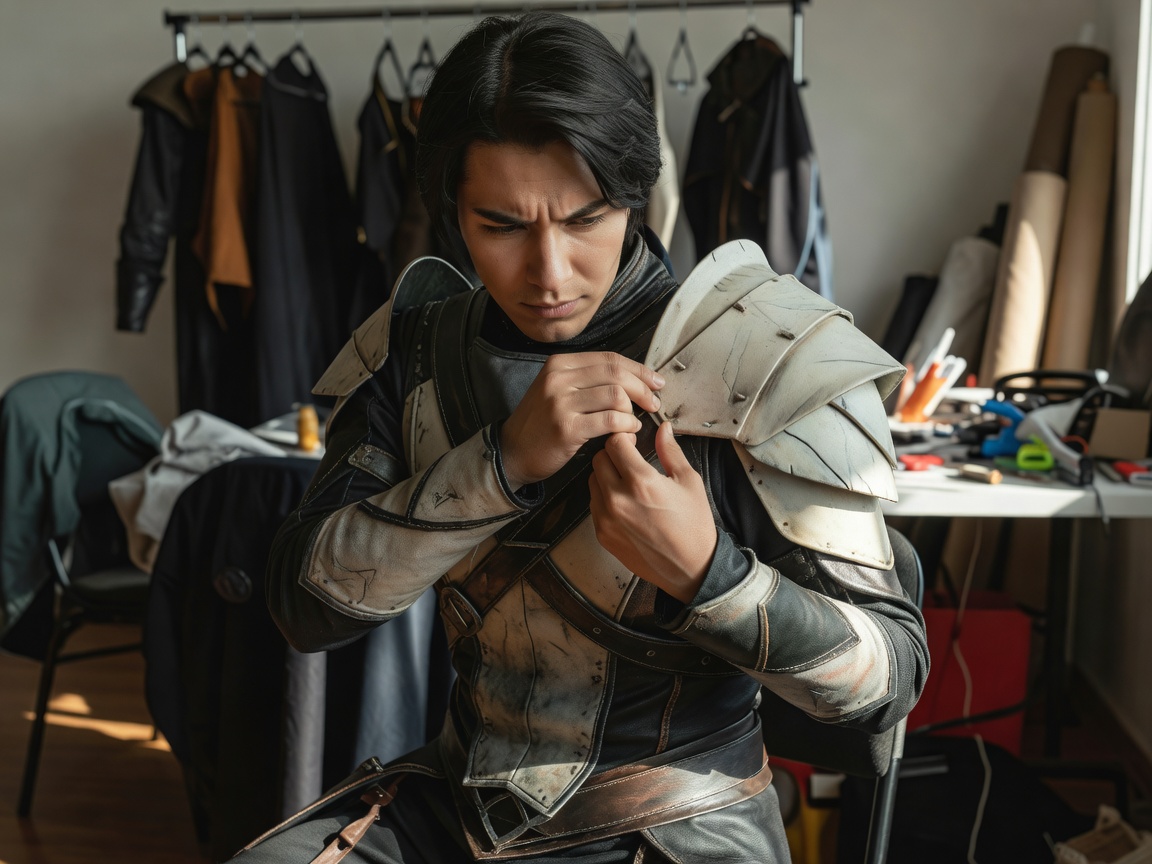
Costuming at conventions goes back to the 1939 Worldcon, where Forrest J Ackerman and Myrtle R. Douglas turned up in "futuristicostumes". The word cosplay came later: Japanese writer Nobuyuki Takahashi is credited with coining it in 1984 after visiting a convention in Los Angeles. Events such as Comiket in Tokyo (since 1975), San Diego Comic-Con (since 1970) and Dragon Con in Atlanta (since 1987) turned the hobby into a global craft scene.
Online, cosplay communities trade patterns, foam-armour tutorials and wig-styling tips with remarkable generosity. The etiquette is simple and worth repeating: costumes are not consent. Ask before photographing or touching anyone, credit the maker when you share photos, and never judge a costume by its budget.
Who Makes a Fandom Run
Most fandoms run on unpaid labour and affection. You will meet these people quickly.
Writers and artists makers
They produce fan fiction, fan art, comics and music. A kudos, a comment or a reblog with credit is their only pay.
Beta readers editors
Volunteers who proofread and critique drafts before posting. Thank them by name.
Wiki gardeners archivists
The patient souls who maintain episode guides, timelines and character pages that everyone else quotes.
Event runners organisers
They host gift exchanges, writing challenges, watch parties and the occasional convention panel.
Moderators stewards
They keep tags tidy, spoilers hidden and arguments civil. See our moderation entry.
Canon, Fanon and the Art of Agreeing to Differ
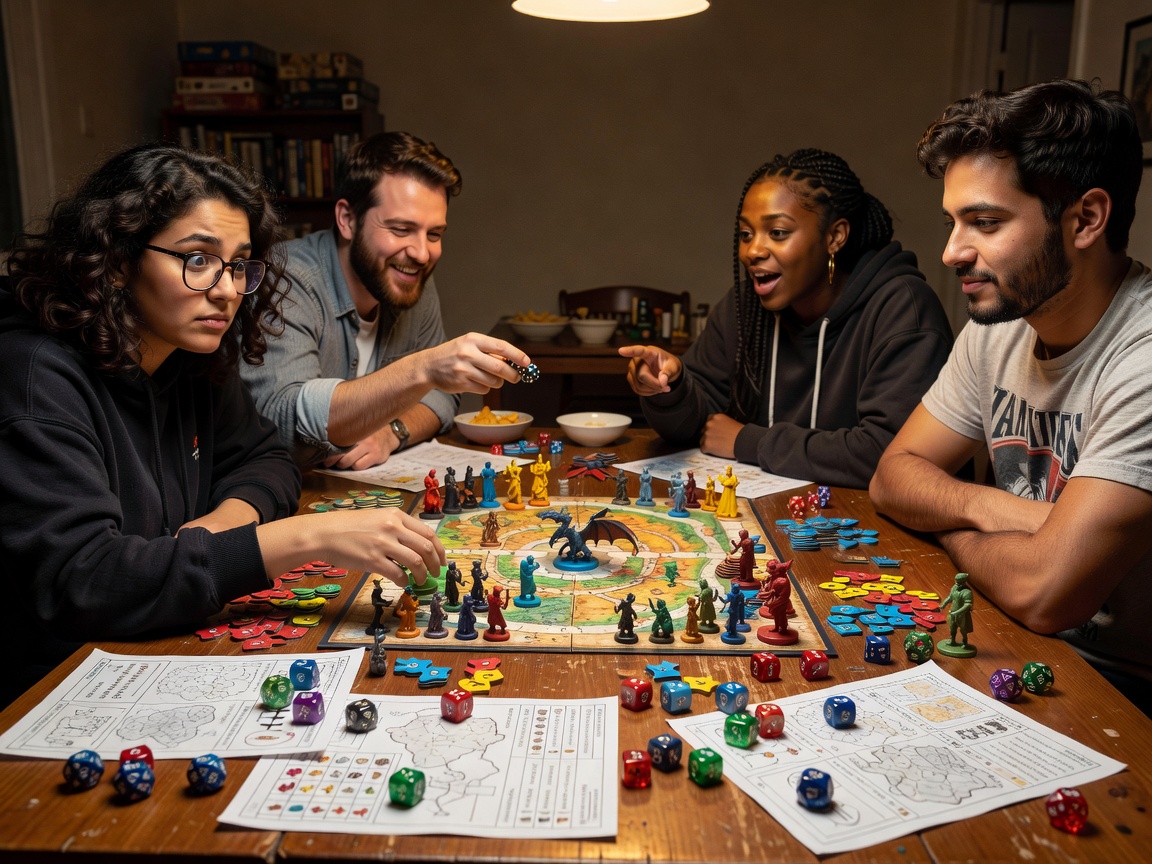
Canon is what the official source says. Fanon is what so many fans assume that it feels official. A headcanon is your private interpretation, and an AU (alternate universe) moves the characters somewhere new: a coffee shop, a space station, a Regency ballroom.
Healthy fandoms treat all of these as valid playgrounds. Trouble starts when one reading is declared the only correct one and people who disagree are harassed. The old hands' rule is "don't like, don't read": use tags and filters to curate your experience rather than demanding others stop creating.
Spoilers deserve their own courtesy. Tag them, hide them and give new releases a grace period, often a week, before discussing freely. It costs nothing and earns gratitude.